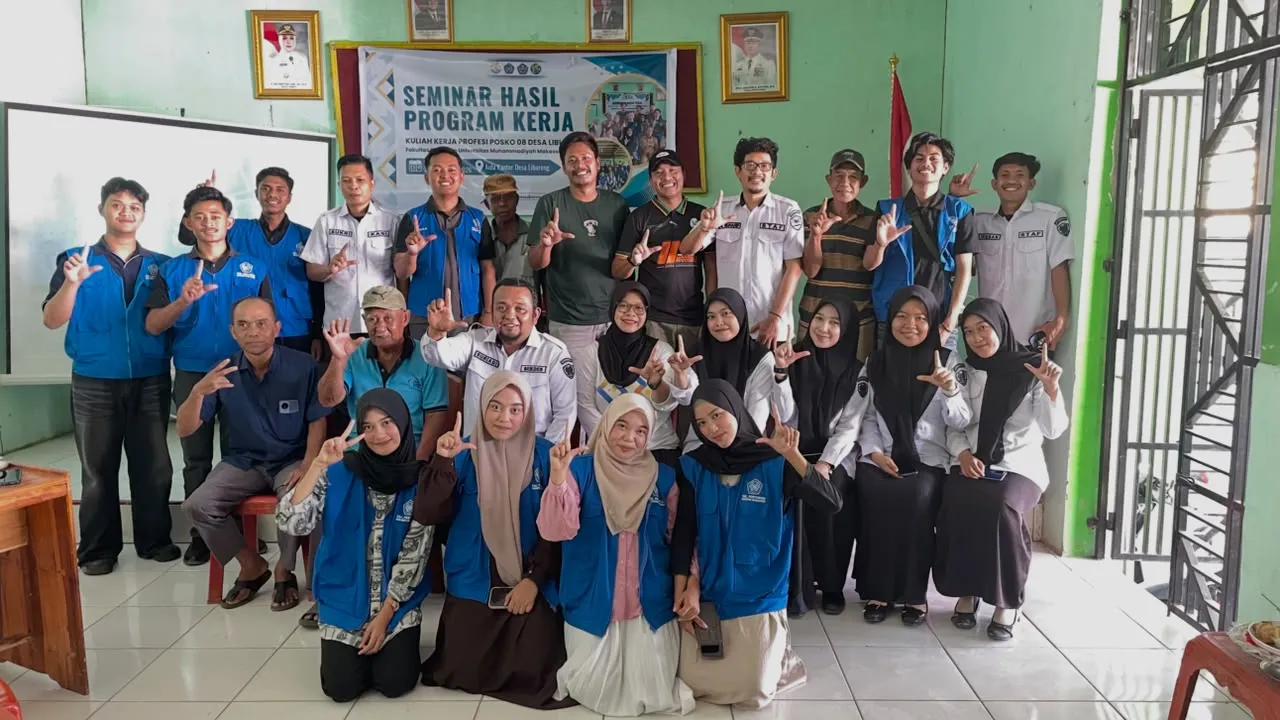
From Fish to Profit: Unismuh Makassar KKP Students Teach Villagers of Libureng to Make Economically Valuable Abon
KKP Posko 08, Desa Libureng, September 21, 2026 – Fish is not only suitable for daily meals. With the creativity of the local community, fishery products can be processed into valuable economic products with longer shelf life.
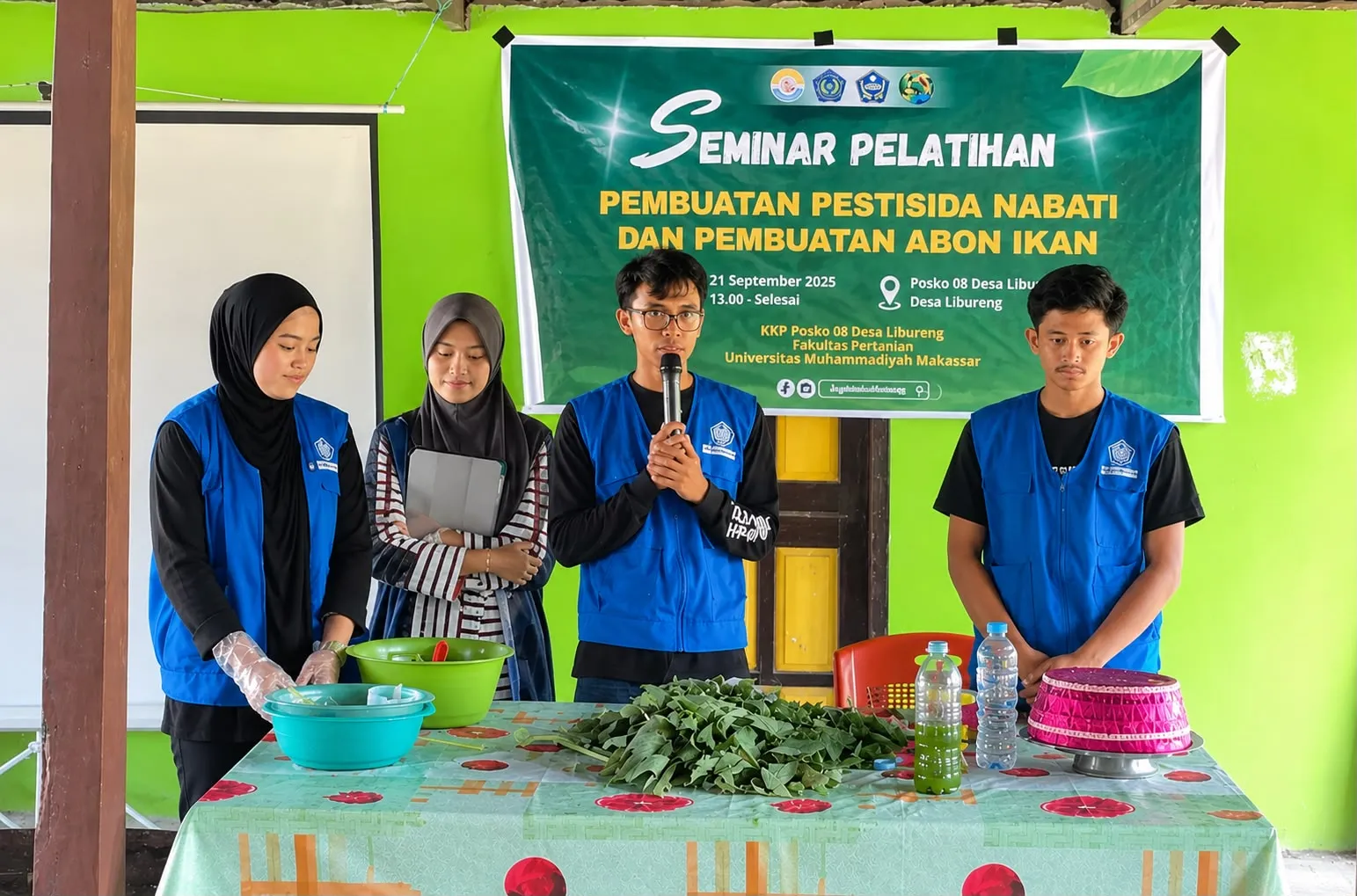
This spirit was brought by the students of the Community Work Program (KKP) Posko 08, Faculty of Agriculture, Muhammadiyah University of Makassar, through a Seminar and Training on Fish Abon Production, which was held in Ulo Village, Desa Libureng, Monday (September 21, 2026).
The activity is one of the KKP Posko 08 student programs aimed at improving the community's skills in processing fishery products and also providing insights into the potential for developing local food products.
This training was carried out as an effort to introduce innovative fishery product processing in the context of the fishing potential of Desa Libureng, which can still be developed. By processing into fish ab, fish that previously had a relatively limited shelf life can be transformed into a more practical, durable product with added value.
KKP Posko 08 students believe that developing processed products is not only related to cooking skills, but also can be the first step in building community economic activities. Fish ab has the potential to be developed as a household product, souvenir, or a business product that can be marketed more widely.
In addition to increasing the added value of fishery products, fish ab development is also expected to be an alternative local food product in Desa Libureng that is easy to carry and has a longer shelf life. This is considered relevant to the characteristics of the people of Desa Libureng, including those who roam and have the potential to bring local processed products as souvenirs.
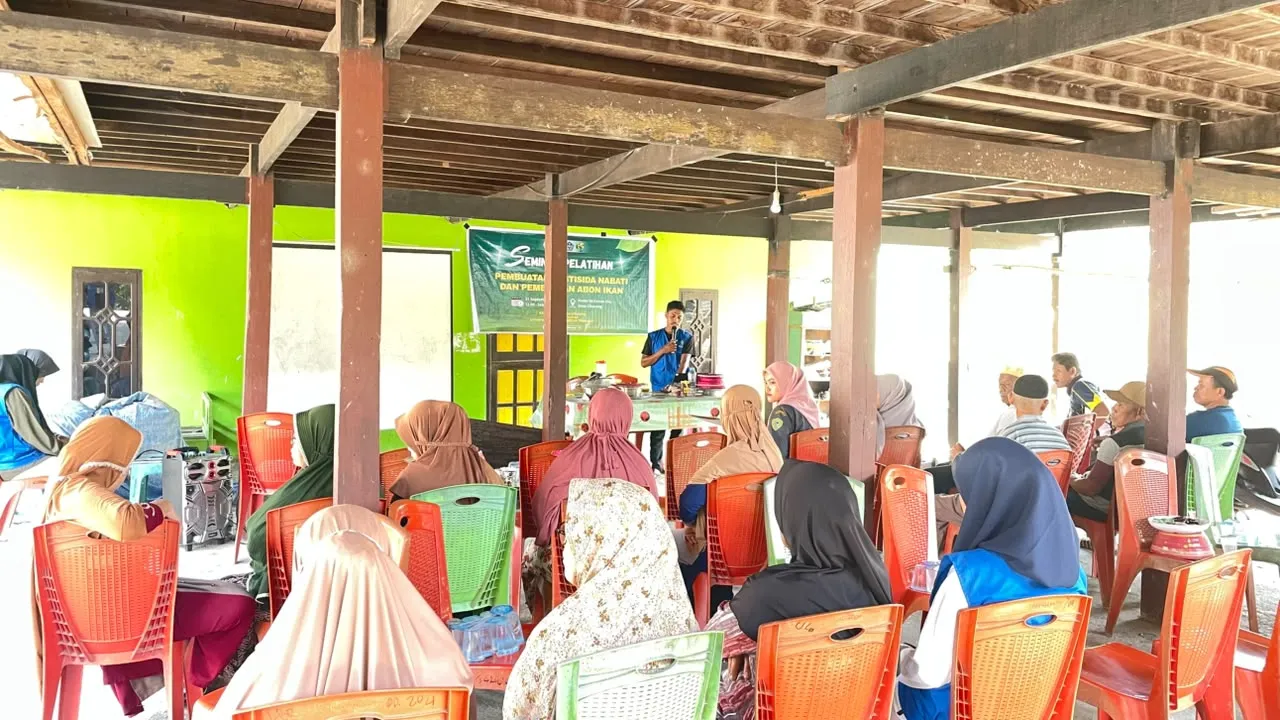
During the activity, participants received materials on the selection and processing of raw materials, ab making techniques, processing procedures to produce the desired texture and taste, as well as packaging techniques to make the product more attractive and have a selling value.
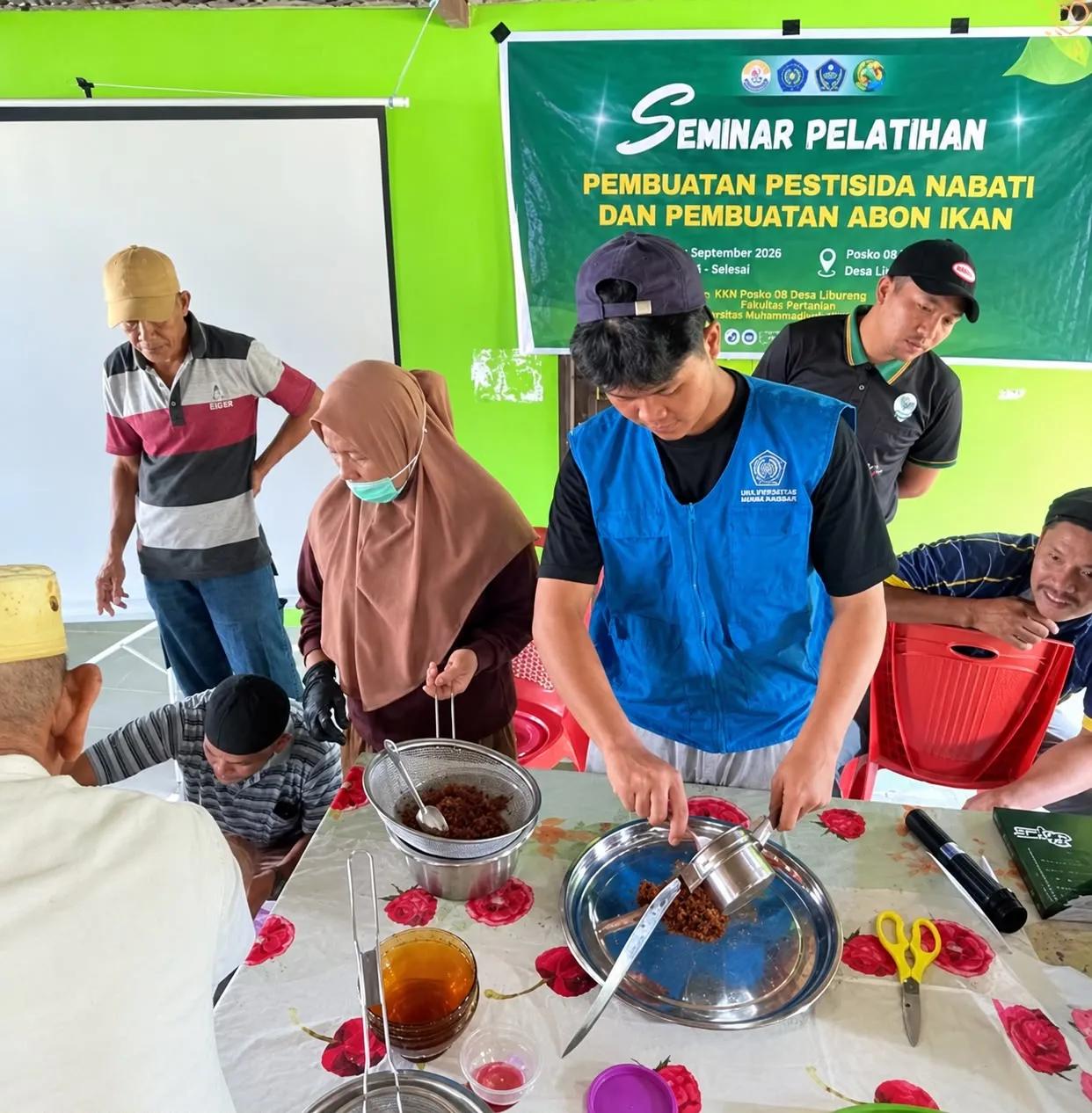
After the presentation of materials, the activity continued with direct ab making practice. Participants were involved in every stage of the process with the assistance of KKP Posko 08 students. The training atmosphere was interactive because participants not only witnessed the process but also had the opportunity to try it directly.
The practice session was an important part of the activity. Participants could see that fishery products can be processed into economically valuable products using relatively simple technology and can be developed from household scale. This knowledge is expected to be an initial preparation for the community to try developing food processing businesses based on local potential.
One of the residents of Desa Libureng appreciated the activity.
“This training is very beneficial because it provides new knowledge in processing fish into products that are durable and economically valuable. We hope that this knowledge can be an opportunity for the community,” he said.
For KKP Posko 08 students, this activity was also a space to implement knowledge gained during studies and learn about community potential and needs directly.
Processing fishery products is one form of product diversification that can strengthen the economic value of commodities. With creativity and innovation, simple food products can be developed into products with higher selling values.
KKP Posko 08 students hope that this training will not only be a training activity during the KKP period, but can be continued and developed by the community as a leading product of Desa Libureng.
In the future, fish ab can also be developed through improvements in packaging, creation of brands, business legal status, and marketing through social media and various digital sales channels.
Through this activity, KKP Posko 08 students strive to encourage the community to see fishery products not only as a food consumption, but also as a source of economic and business opportunities that can be developed from the household level.
This activity is part of the KKP Faculty of Agriculture, Muhammadiyah University of Makassar's commitment to delivering programs that directly connect scientific knowledge, local potential, community skills, and economic opportunities.
This activity relates to the SDGs, specifically SDG 1 No Poverty through entrepreneurship training for local communities in Libureng Barru, SDG 8 Decent Work and Economic Growth through the empowerment of local communities in starting independent businesses. SDG 9 Industry, Innovation and Infrastructure through the innovation of ab products.
Sustainable Development Goals

Related News
Tekan Hama Penggerek Batang Padi, Mahasiswa KKP 08 Unismuh Makassar Ajarkan Petani Membuat Pestisida Nabati
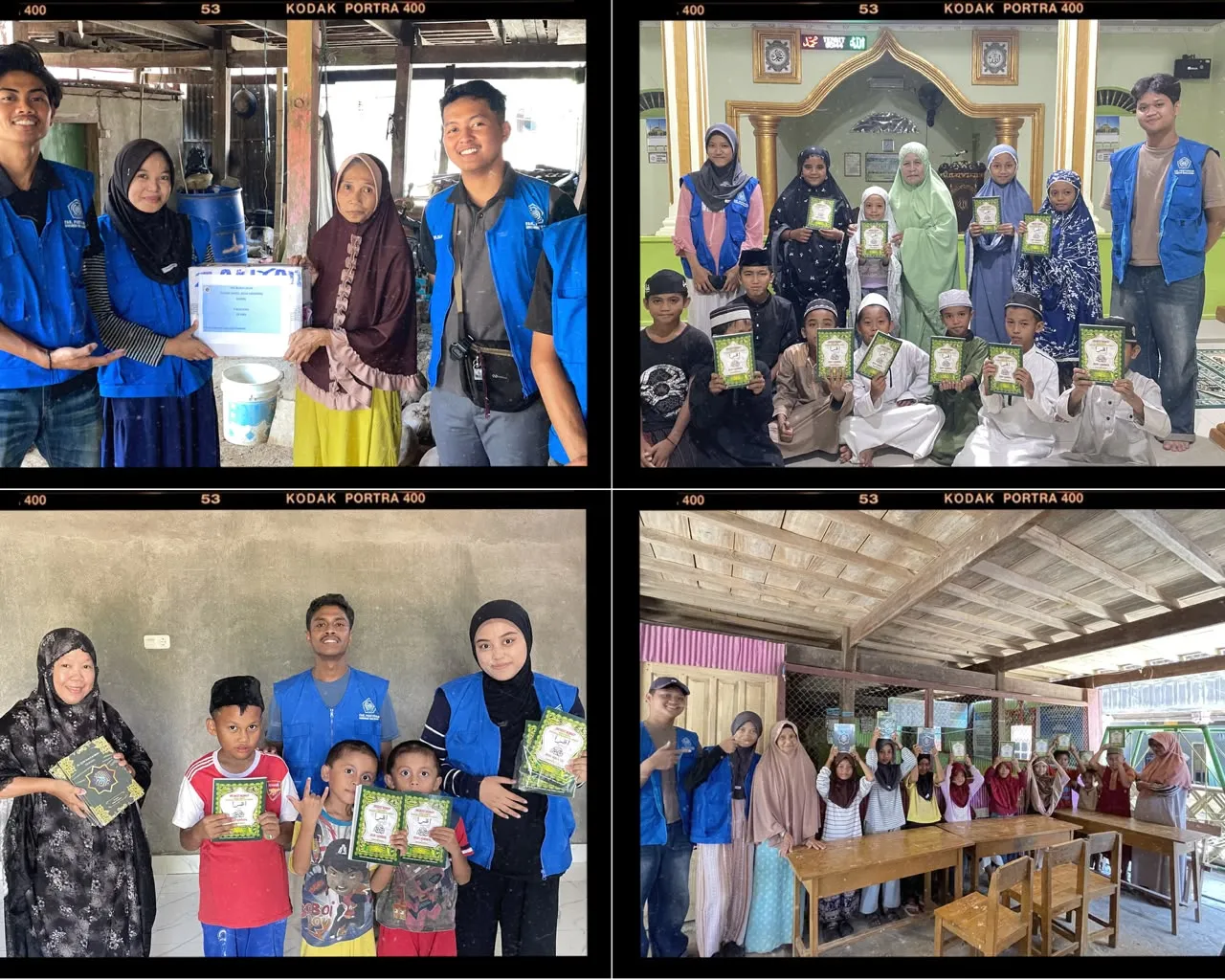
Peduli Pendidikan Keagamaan, Mahasiswa KKP Unismuh Salurkan Al-Qur’an dan Iqra di Desa Libureng
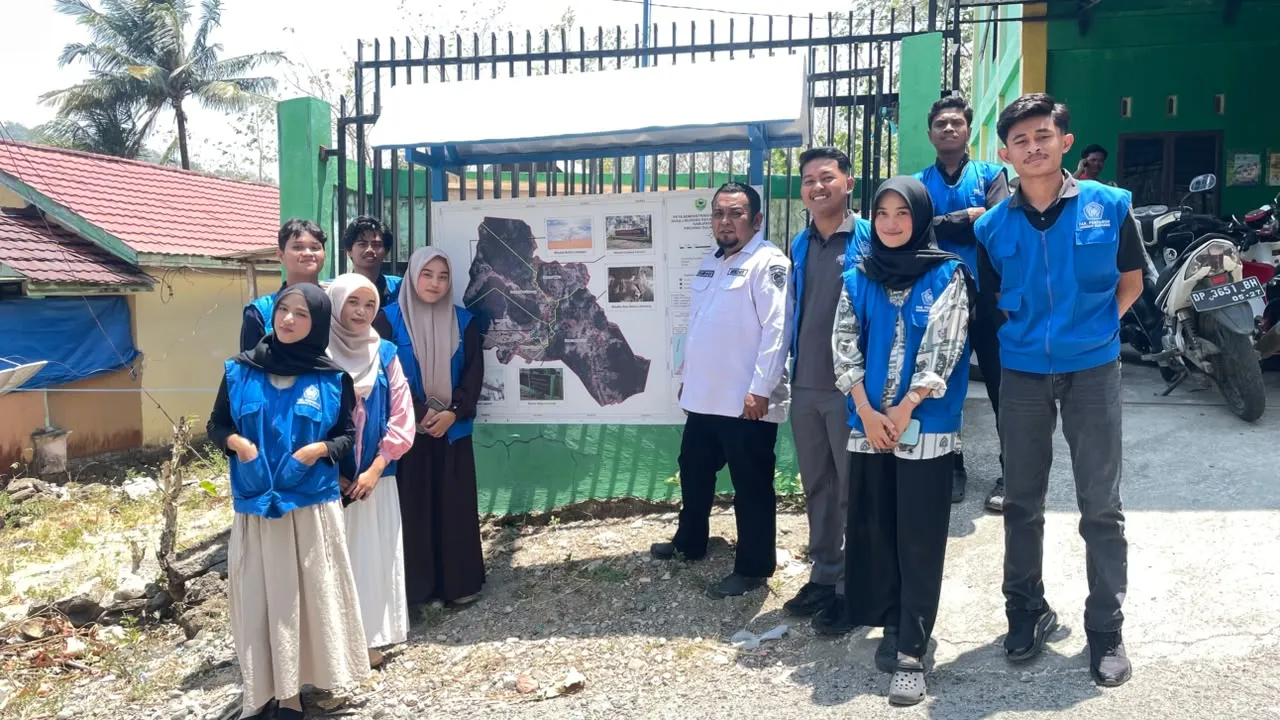
Dukung Informasi Desa, KKP Posko 08 Unismuh Makassar Serahkan Peta Fasilitas Umum ke Desa Libureng