SWSC Unismuh Holds Dedication Ceremony, Trains Future Eco Rangers to Convert Kitchen Waste into Compost
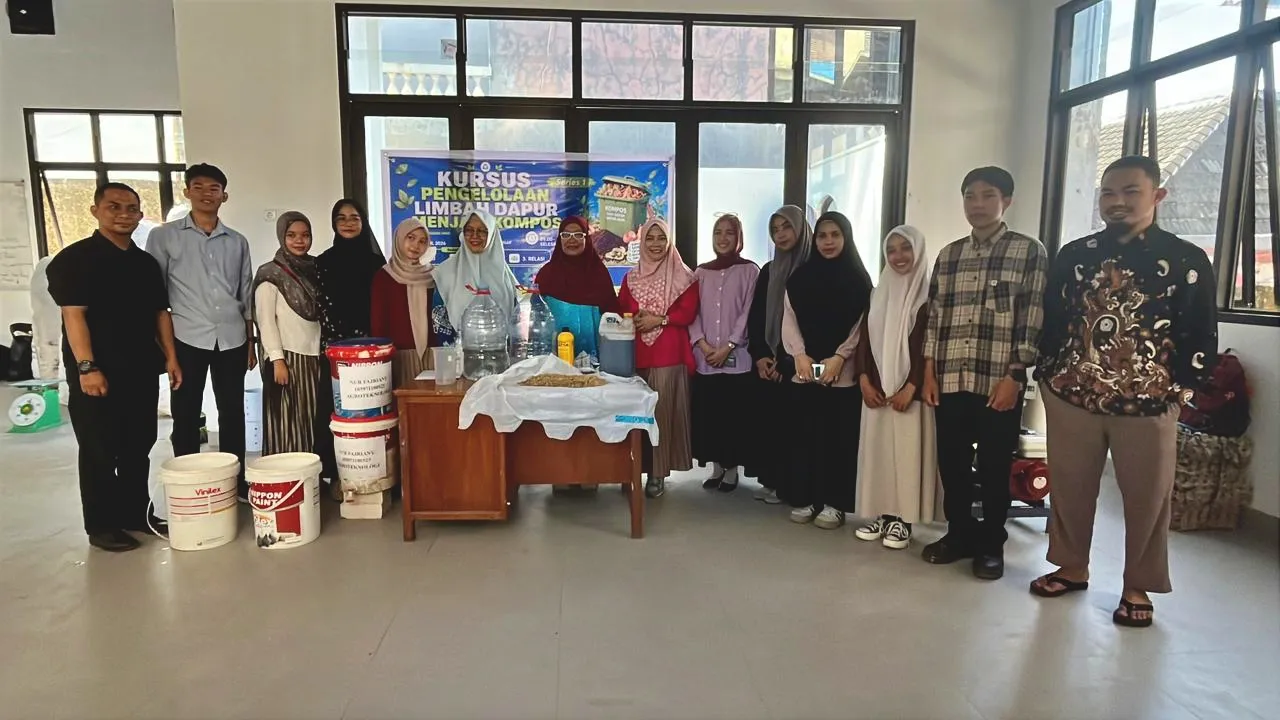
UNISMUH.AC.ID, MAKASSAR — The Unit for Sustainable Waste Solution Center (SWSC) of Universitas Muhammadiyah (Unismuh) Makassar held a course on turning kitchen waste into compost at the Unismuh Makassar Waste Bank, Thursday, April 30, 2026. This activity is part of a community service program focused on strengthening the management of organic waste from its source.
Participants were from Unismuh Makassar students who were prepared as the Eco Ranger Team. They are expected to be environmental change agents in the campus, with the role of educating, encouraging, assisting, and encouraging campus residents to be more aware of waste management.
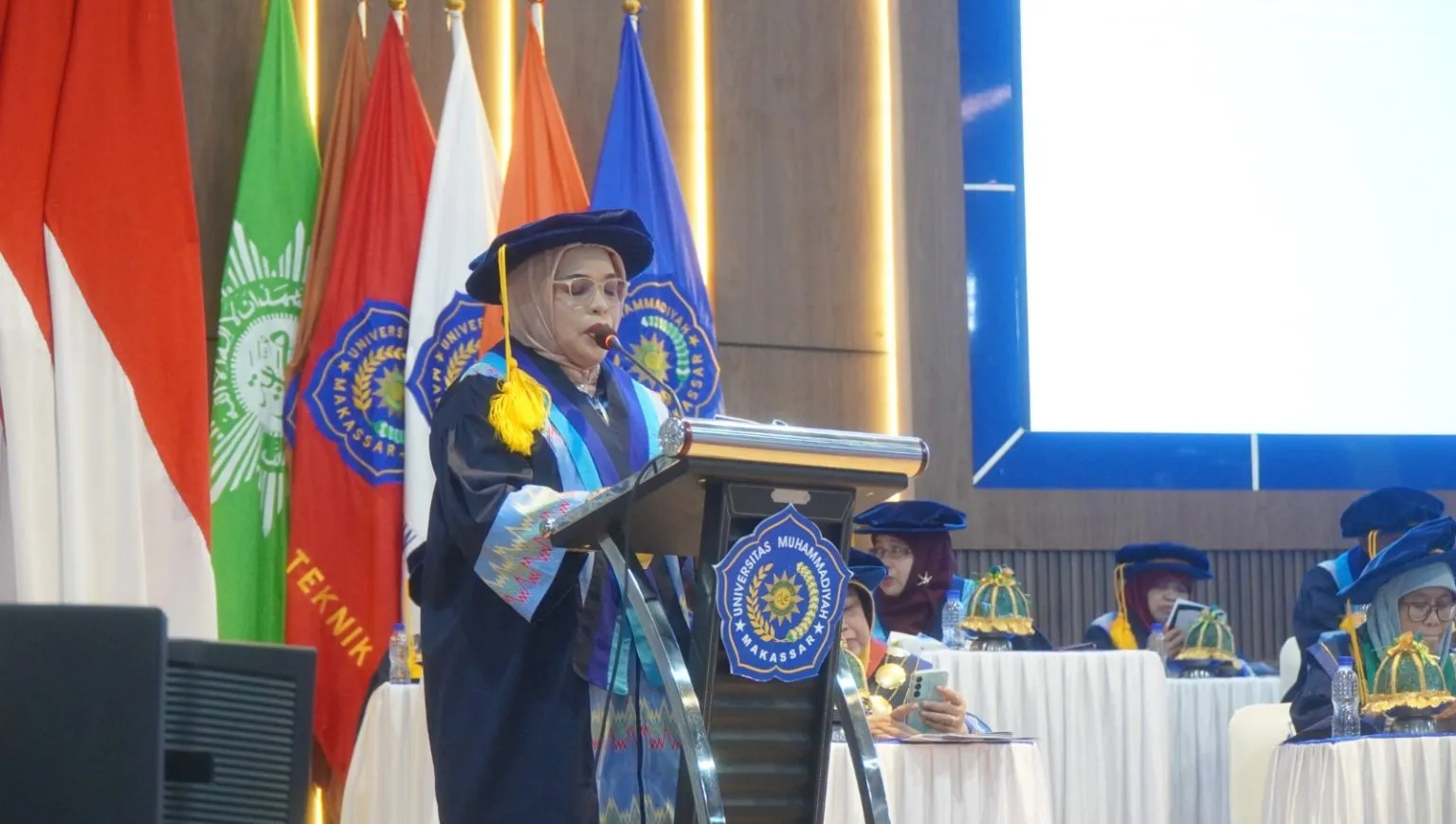
The Head of the SWSC at Unismuh Makassar, Dr. Hj. Fatmawati Andi Mappasere, M.Si., said that this activity is a manifestation of the campus's contribution in providing simple solutions to the problem of organic waste.
"Turning kitchen waste into compost is a simple step to reduce the volume of organic waste. This is also part of the effort to build new habits in waste management," she said.
Before receiving the material, participants took a pre-test to measure their initial understanding of kitchen waste management and the composting process.
The first material was delivered by Prof. Dr. Syamsiah, M.Si., a Professor at the Faculty of Agriculture at Unismuh Makassar, and also a consultant for the SWSC. She explained the stages of composting from kitchen waste, starting from the selection of organic materials, sorting, mixing, controlling moisture, to the fermentation process.
According to Syamsiah, leftover vegetables, fruit peels, and other kitchen waste do not have to be thrown away immediately, but can be used to make compost that is useful for plants.
"Organic waste needs to be managed sustainably, not only during the training, but also as a daily habit," she said.
Next, Sahlan, S.Pd., M.Si., a lecturer in Agricultural Business at the Faculty of Agriculture at Unismuh Makassar, discussed the economic aspects of processing kitchen waste. He emphasized that organic waste has value if processed properly.
"Turning kitchen waste into compost is not only reducing the amount of waste, but also producing a product that is useful for greening and small-scale agriculture," he said.
Meanwhile, Wardah, S.Sos., M.A., a lecturer at the Department of Communication Studies at FISIP Unismuh Makassar, provided reinforcement from the perspective of environmental education and advocacy. She highlighted the importance of environmental communication in building behavioral changes.
According to Wardah, waste management is not enough simply by providing facilities, but also requires awareness and active participation from all campus residents.
"The Eco Rangers must be change agents. They are not only skilled in making compost, but also able to educate and move their surrounding environment," she said.
The activity was closed with a post-test to measure the increase in participants' understanding after attending the entire training.
Through this program, the SWSC at Unismuh Makassar hopes that the Eco Ranger students can be drivers of the culture of sorting waste and processing organic waste into compost in the campus environment.
Sustainable Development Goals
Related News
Unismuh Makassar Jajaki Kolaborasi BPDP Kembangkan Wirausaha Muda Perkebunan
13 Jul 2026
Prodi Agribisnis Unismuh Makassar Gelar Workshop Peninjauan Kurikulum Berbasis Outcome-Based Education
09 Jul 2026
Dosen Pertanian Unismuh Raih Doktor, Teliti Efisiensi Usahatani Kentang
30 Jun 2026