Academic Workshop on Urban Clean Water Crisis Issues, Unismuh Biology Education
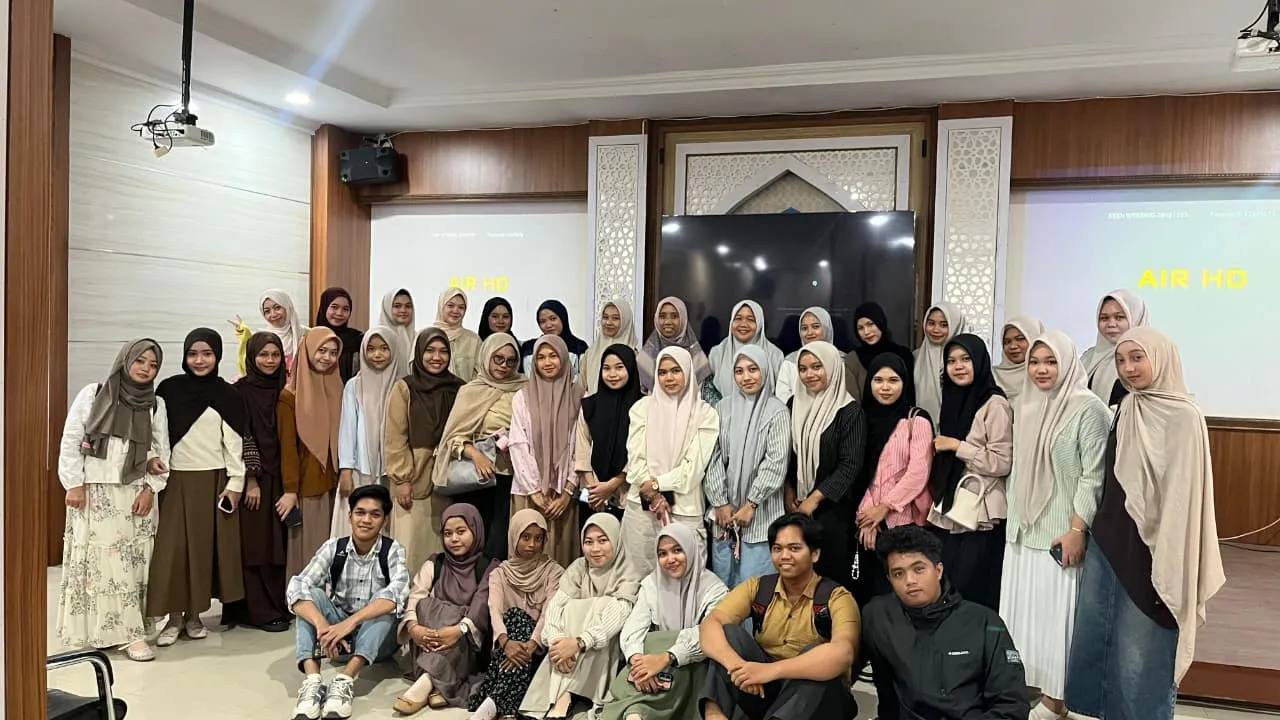
UNISMUH.AC.ID, MAKASSAR — The Biology Education Program, Faculty of Teacher and Vocational Education (FKIP) of Muhammadiyah University (Unismuh) Makassar, held an Academic Workshop with the theme "Simple Filtration Tools as a Solution to the Clean Water Crisis in Urban Areas". The event took place in the Mini Hall of FKIP Unismuh Makassar on Thursday, May 7, 2026.
The workshop was attended by Biology Education students from the 2022, 2023, 2024, and 2025 batches. The activity served as an academic learning space as well as practice to strengthen students' awareness of environmental issues, particularly the clean water crisis in urban areas.
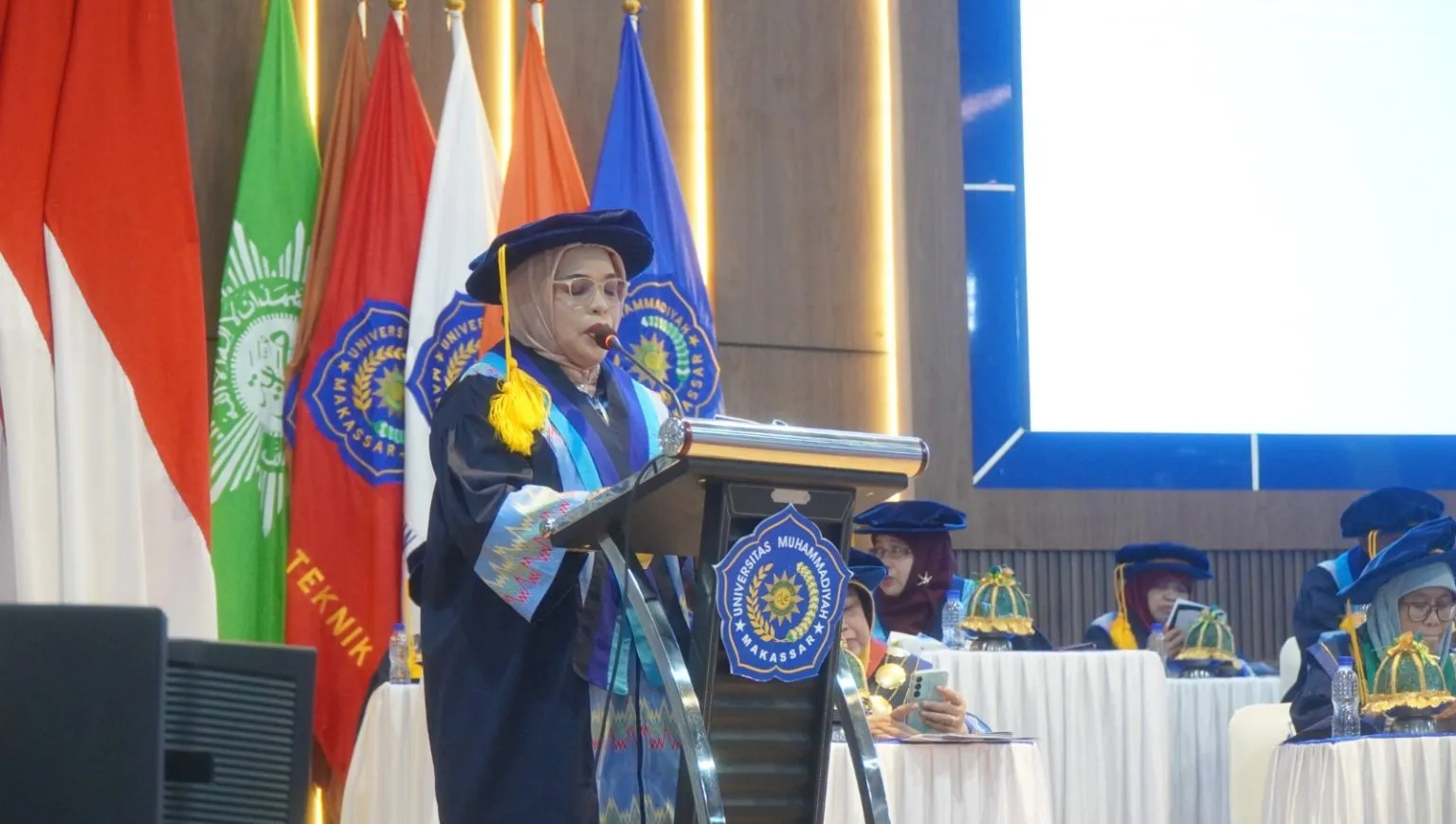
Dr. Andi Husniati, M.Pd., Deputy Dean of FKIP Unismuh Makassar, said that the activity aimed to strengthen students' academic skills and foster awareness that graduates of Biology Education should be able to be agents of change in society.
She appreciated the Biology Education Program, the organizing committee, and all parties who contributed to the success of the event. According to her, workshops like this are important because they provide learning experiences that go beyond theory, but move towards practice and solutions.
"The creation of simple filtration tools is one example of how science can be applied to meet the needs of the community," said Andi Husniati.
Rahmatia Thahir, S.Pd., M.Pd., Head of the Biology Education Program of FKIP Unismuh Makassar, said that the workshop was designed to strengthen students' awareness of water pollution and encourage the emergence of simple solutions that can be applied in society.
"Students need to understand that the clean water crisis is not only a technical issue, but also a social, ecological, and public health issue," said Rahmatia.
In this activity, participants were introduced to various sources of water pollution, from domestic, industrial, agricultural, to mining waste. Students also learned about water quality indicators, such as color, odor, temperature, turbidity, pH, dissolved oxygen, as well as the presence of polluting microorganisms.
Rahmatia explained that the project-based learning approach is an important part of the workshop. Students not only receive materials, but are also directed to design simple filtration tools as an application of biology, technology, engineering, communication arts, and mathematics in the framework of STEAM.
The activity is also linked to the Sustainable Development Goals, particularly quality education, clean water and sanitation, sustainable cities and communities, responsible consumption and production, climate action, the protection of water and land ecosystems, and partnerships.
Through this workshop, the Biology Education Program of FKIP Unismuh Makassar hopes that students will be able to become environmental education agents. They are expected not only to understand water pollution academically, but also to be able to present simple, affordable, and practical ideas for the community.
Sustainable Development Goals
Related News
Unismuh Makassar Jajaki Kolaborasi BPDP Kembangkan Wirausaha Muda Perkebunan
13 Jul 2026
Prodi Agribisnis Unismuh Makassar Gelar Workshop Peninjauan Kurikulum Berbasis Outcome-Based Education
09 Jul 2026
Dosen Pertanian Unismuh Raih Doktor, Teliti Efisiensi Usahatani Kentang
30 Jun 2026