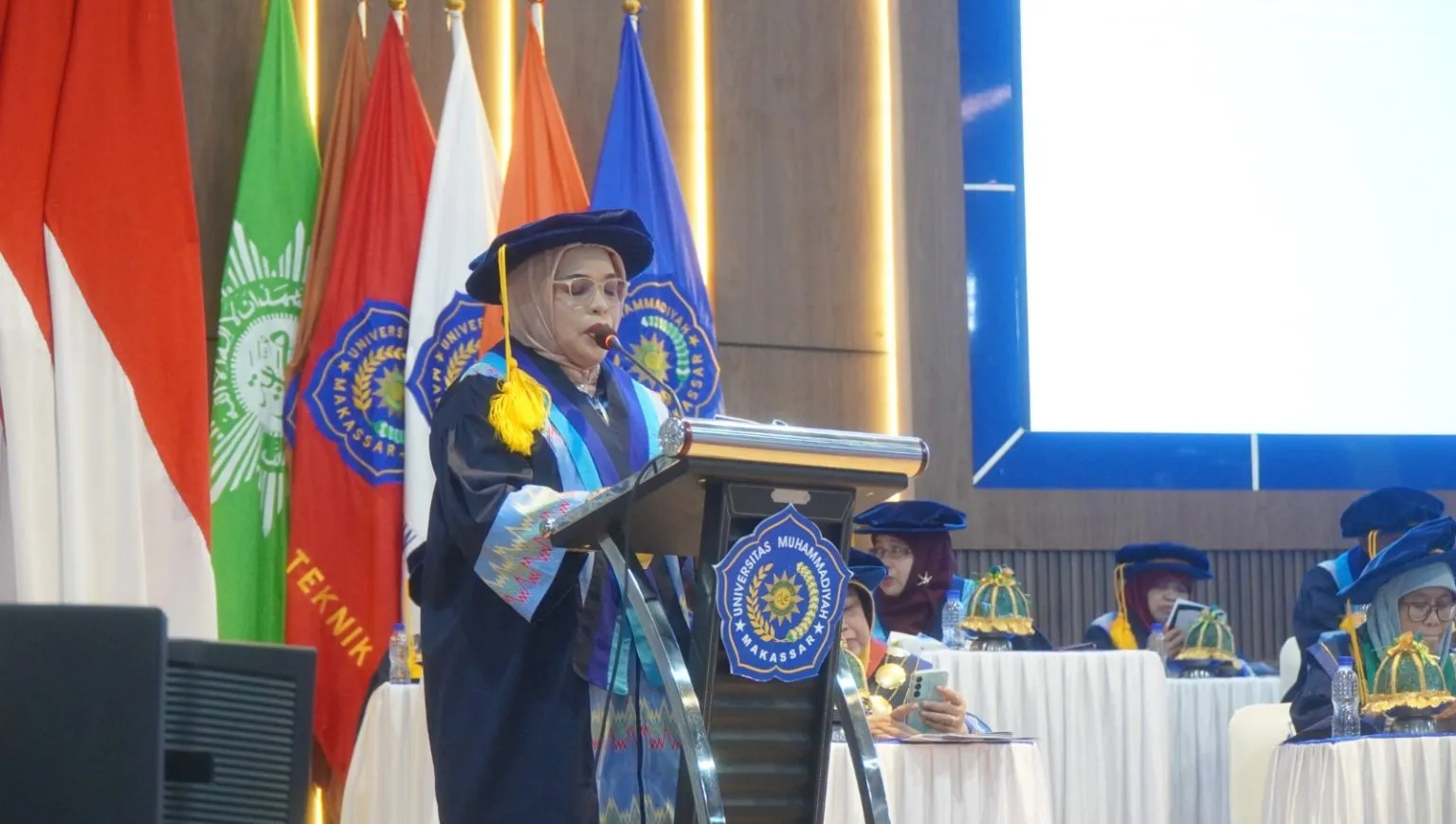
Research on Seagrass Farmers Vulnerability, Unismuh Lecturer Sitti Arwati Receives Doctorate from Unhas Postgraduate Program
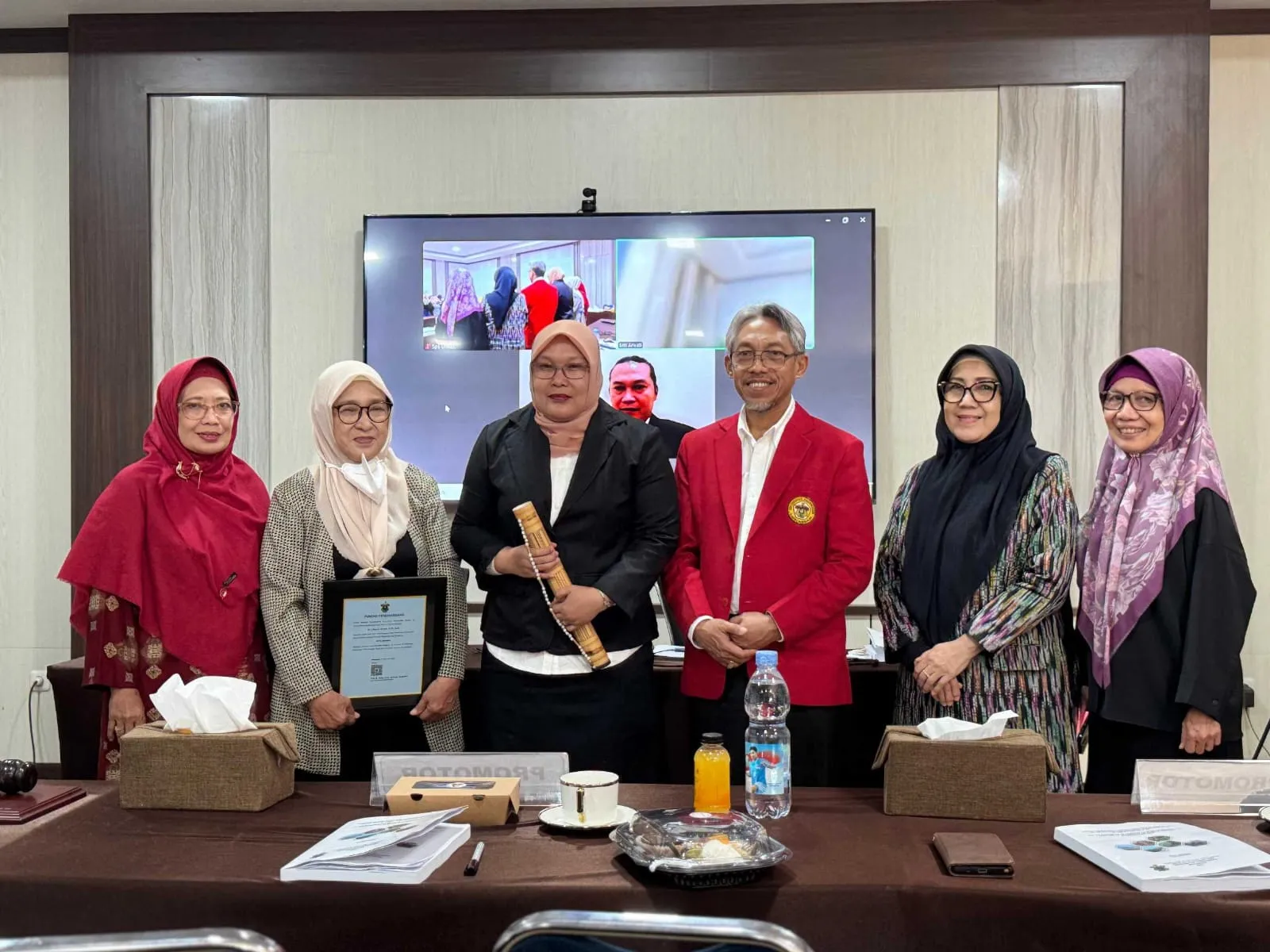
UNISMUH.AC.ID, MAKASSAR – Dr. Sitti Arwati, lecturer from Universitas Muhammadiyah (Unismuh) Makassar, officially received her doctorate. She successfully defended her dissertation during the Doctoral Promotion Examination for the Department of Agriculture, Postgraduate Program of Hasanuddin University (Unhas) Makassar, on Tuesday, August 19, 2025.
The open-door doctoral promotion session was attended by both internal and external examiners, including Prof. Dr. Ir. Rahmawati, MS (Promotor), Dr. Hilawaty, M.Si (Co-Promotor), and Dr. I Wayan Arnata S.TP., M.Si (External Examiner) from Universitas Udayana. The session was presided over by Prof. dr. Budu, Ph.D., Sp.M(K)., M.MedEd, Dean of Postgraduate Program.
In her dissertation, titled "Vulnerability of Seaweed Farmers' Households in Adapting to Climate Change in Takalar Regency," Arwati researched the conditions of coastal communities in Desa Laikang and Ujungbaji, Takalar.
The research findings showed that households of seaweed farmers in Ujungbaji were classified as highly vulnerable, with a score of 0.87.
She identified three main factors that determine vulnerability, namely knowledge, adaptive behavior, and income.
Each factor had a different impact. For example, knowledge can increase adaptive capacity because farmers can recognize climate symptoms and adjust cultivation techniques. However, it can also strengthen the perception of exposure and sensitivity.
"Climate literacy is important, but it must be coupled with institutional interventions and asset protection. Otherwise, knowledge can actually exacerbate anxiety without concrete action," one of the research points stated.
The second factor is adaptive behavior. Arwati's findings showed that adaptive behavior can reduce exposure and sensitivity. However, without structural support—such as flexible credit or coastal land use reform—adaptive behavior does not automatically increase adaptive capacity.
The third factor, income, also has a significant impact. High income can strengthen adaptive capacity, but it can also increase the risk of losses due to larger-scale production.
"Knowledge significantly affects adaptive behavior. However, a weak economic condition can increase the vulnerability of households," explained Arwati when presenting her research findings.
According to her, vulnerability cannot be separated from social-economic and governance factors. Therefore, adaptation solutions must involve strengthening climate literacy, diversifying income, access to basic services, and institutional reform. These steps are believed to be key to reducing the vulnerability of seaweed farmers in the face of the increasingly real impacts of climate change.
Sitti Arwati was born in Bone on May 1, 1979. She completed her undergraduate degree in Agrotechnology at Universitas Haluoleo (2005), and continued her studies in Agricultural Business at Unhas (2011). Since 2012, she has worked as a lecturer at Unismuh Makassar.
Sustainable Development Goals


Related News

Unismuh Makassar Jajaki Kolaborasi BPDP Kembangkan Wirausaha Muda Perkebunan
13 Jul 2026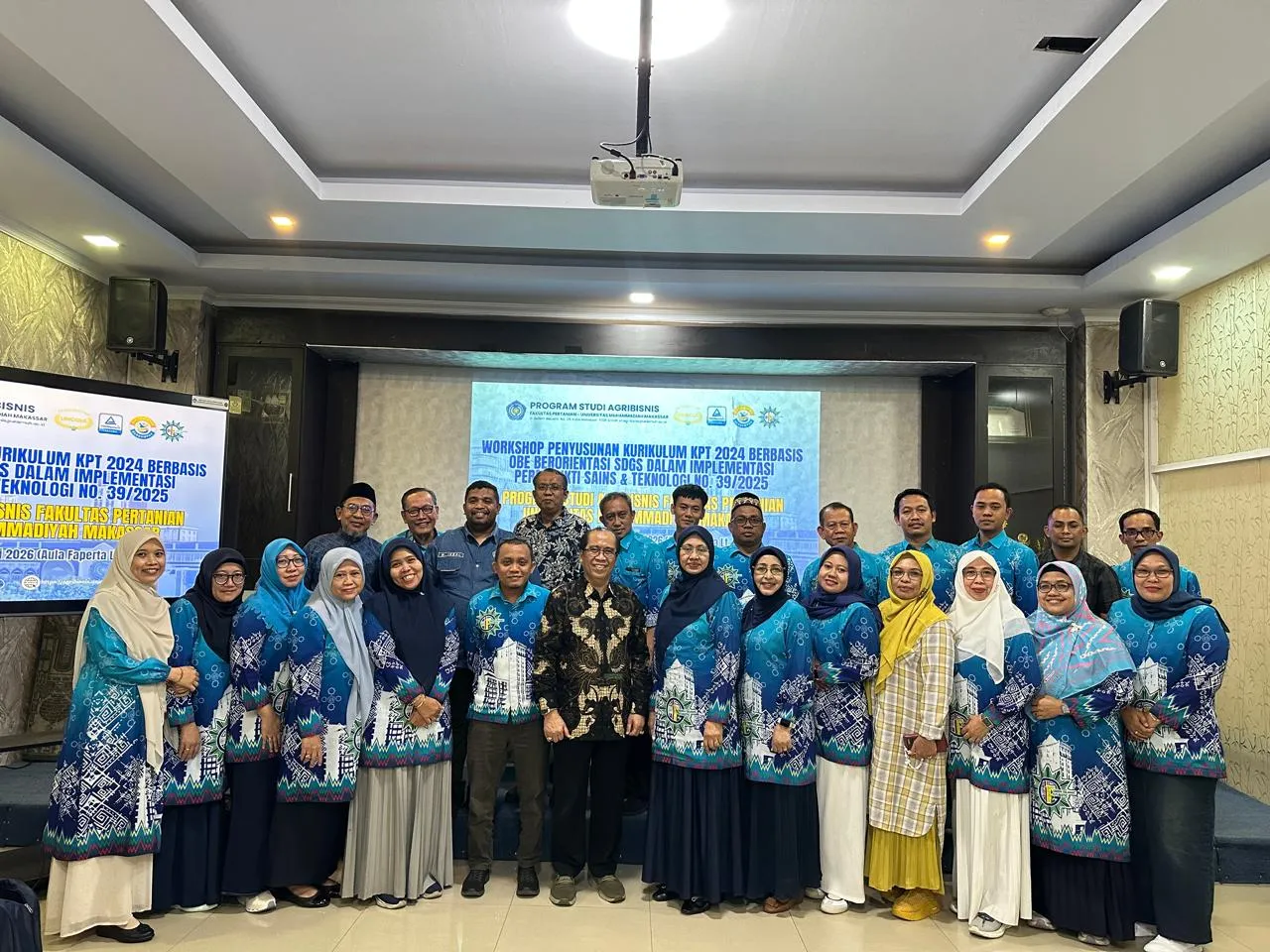
Prodi Agribisnis Unismuh Makassar Gelar Workshop Peninjauan Kurikulum Berbasis Outcome-Based Education
09 Jul 2026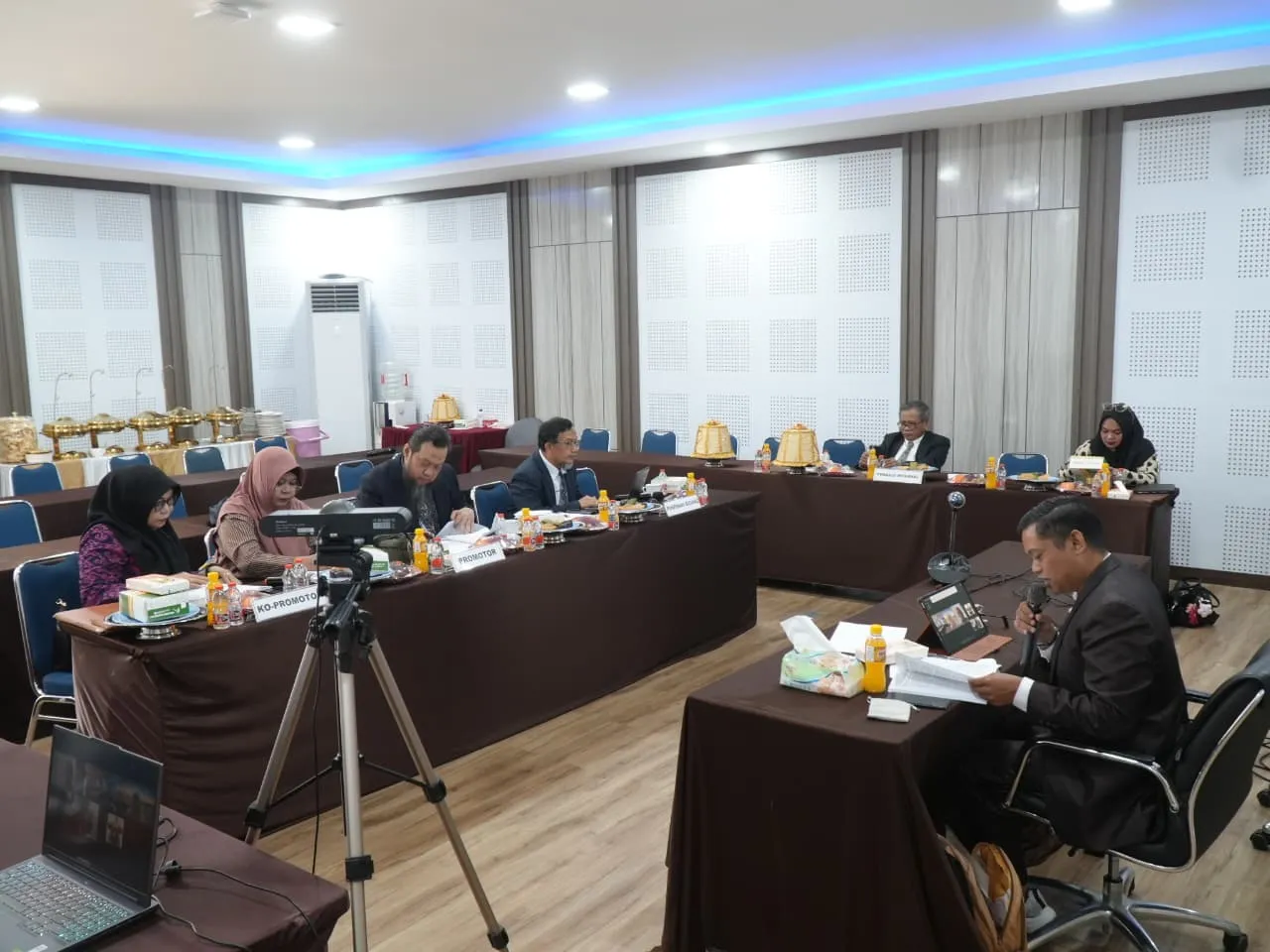
Dosen Pertanian Unismuh Raih Doktor, Teliti Efisiensi Usahatani Kentang
30 Jun 2026