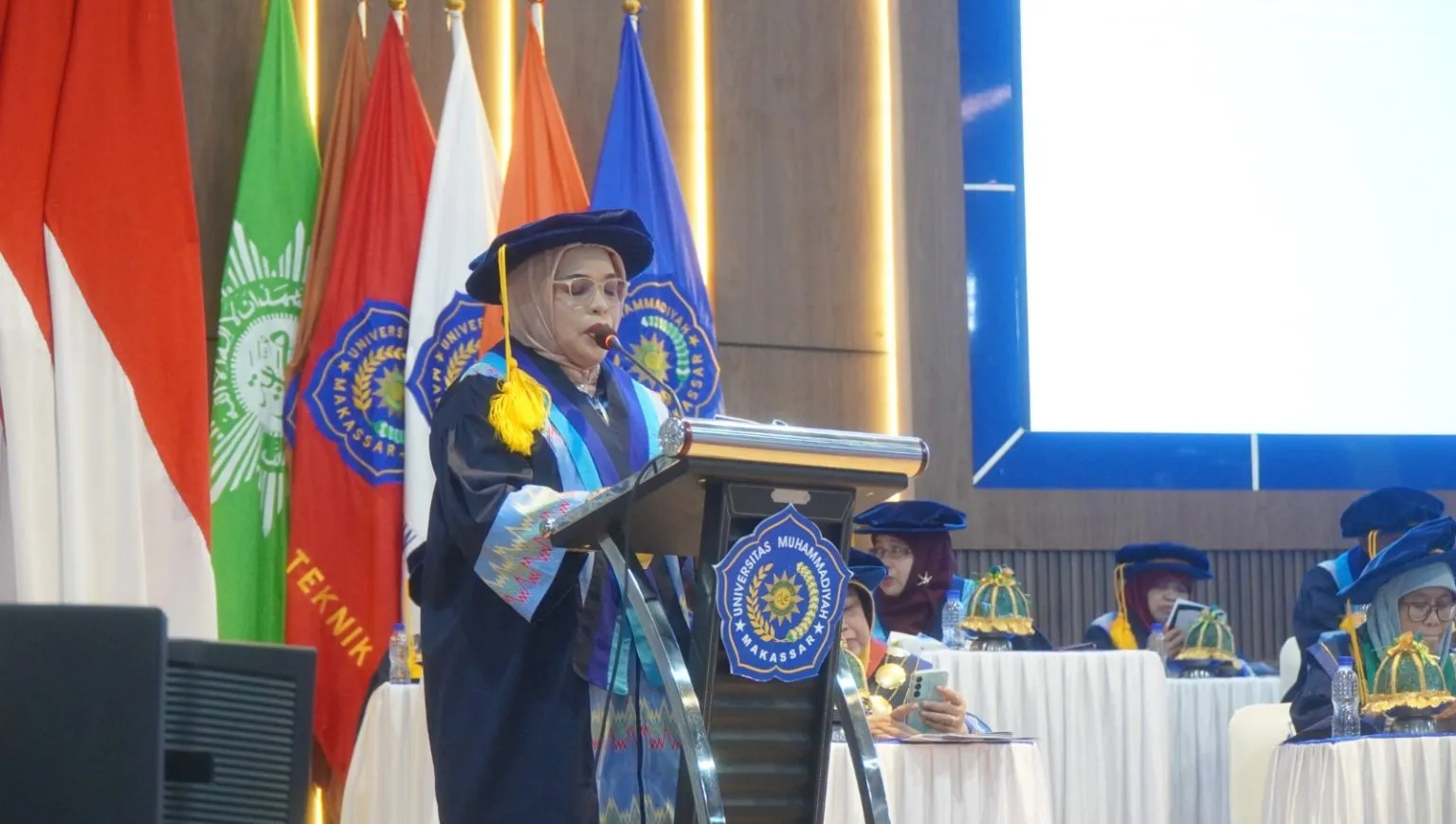
World Environment Day, Contribution of the Forestry Program at Unismuh: Caring for Forests, Securing the Future
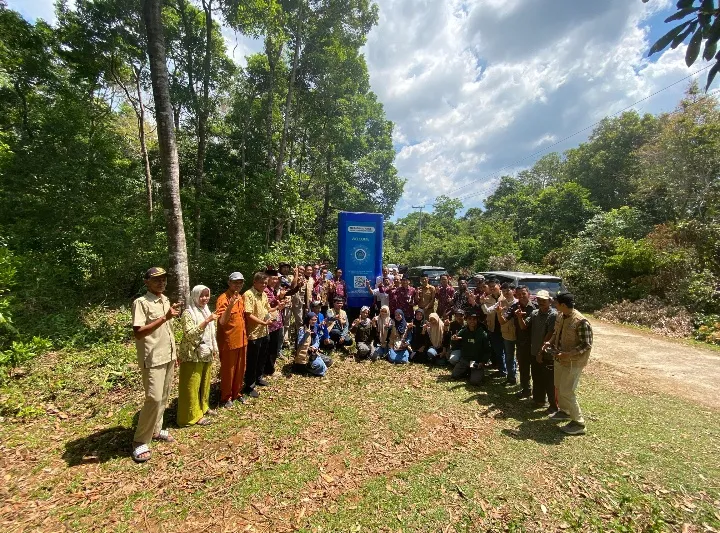
UNISMUH.AC.ID, MAKASSAR – Amidst the threats of deforestation, land degradation, climate change, and pressure on forest areas, the Forestry Study Program at Universitas Muhammadiyah (Unismuh) Makassar is strengthening its contribution through education, research, land rehabilitation, coffee agroforestry, and the development of an educational forest as a natural laboratory.
World Environment Day is not merely an annual celebration. For the Forestry Study Program at Unismuh Makassar, June 5th is a reminder that environmental sustainability requires long-term effort, collaboration, and a focus on the future.
Indonesia is known as a country with abundant natural resources and high biodiversity. However, this richness comes with ecological challenges. Deforestation, land degradation, land use changes, environmental pollution, and the impacts of climate change are issues that continue to demand collective attention.
Ir. Jauhar Mukti, S.Hut., M.Hut., IPM., Head of the Forestry Department at the Faculty of Agriculture, Unismuh Makassar, believes that World Environment Day should be seen as an opportunity to strengthen collective awareness.
"Environmental sustainability is a shared responsibility. Not only the government, but also education, business, and communities must collaborate to protect the earth for future generations," he said.
For South Sulawesi, environmental issues are evident in various forms. The reduction of forest cover in upstream areas, the increased risk of floods and landslides, bushfires during the dry season, and pressure on forest areas due to development activities are challenges that require serious attention.
Amid these challenges, the Forestry Study Program at Unismuh Makassar is striving to play a role through three main avenues of higher education: education, research, and community service.
Educational Forest as a Natural Laboratory
One of the important contributions of the Forestry Study Program at Unismuh Makassar is the development of the Unismuh Makassar Educational Forest. This area is designed as a center for education, research, conservation, and community empowerment.
The location of the Unismuh Educational Forest is on the roadside, specifically in Pacekke Village, Soppeng Riaja District, Barru Regency, with an area of approximately 229 hectares.
For Unismuh, the Educational Forest is not only seen as a place for student practice. Moreover, this area is developed as a natural laboratory that allows students and faculty to study the dynamics of forest ecosystems, land rehabilitation, agroforestry, biodiversity conservation, and community empowerment around the forest area.
Jauhar explained that the development of the Unismuh Educational Forest is currently focused on coffee agroforestry. This model integrates ecological, social, and economic interests. On one hand, the forest is maintained through sustainable management practices. On the other hand, communities can obtain economic benefits from the commodities developed.
"Through this development, we hope that the Unismuh Educational Forest can provide sustainable economic, social, and environmental benefits, thus realizing the ideal of 'Sustainable Forest, Prosperous Community'," said Jauhar.
This concept is important because the preservation of forests cannot be separated from the well-being of the community. A sustainable forest requires community support. Conversely, a prosperous community has more space to maintain the forest sustainably.
Coffee Agroforestry and Empowerment
Coffee agroforestry is one of the key focuses of the Unismuh Forestry Study Program. Through this approach, forest and economically valuable plants can be developed in a single management system that mutually supports each other.
For the Forestry Study Program, agroforestry is not just a planting pattern. It is a space to learn how conservation, production, and community empowerment can work together. Students can study forest inventory, silviculture, forest and land rehabilitation, mapping, and the social and economic interaction of communities around the forest area.
Jauhar Mukti's experience in forest and land rehabilitation, agroforestry planning, social forestry, and forest enterprise support further strengthens the direction of this development. As an academic and forestry practitioner, he sees the importance of an approach that is not only ecological but also social and economic.
In the context of South Sulawesi, this approach is relevant. Many upstream areas need land cover restoration, but at the same time, the community also needs sources of livelihood. Agroforestry can bridge these two needs.
Conservation, Rehabilitation, and Climate Change
Climate change has a significant impact on the forestry sector. Changes in rainfall patterns, rising temperatures, and extreme weather can affect forest plant growth, increase the risk of forest and land fires, and disrupt ecosystems.
However, forests are also an important part of the solution. Forests play a role as carbon sinks, water regulators, soil protectors from erosion, oxygen producers, and habitats for biodiversity, and sources of income for communities.
Therefore, the Forestry Study Program at Unismuh Makassar encourages various programs related to environmental conservation and rehabilitation. These programs include land rehabilitation, tree planting, environmental education, and support for forest-based enterprises to achieve sustainable forest management.
In terms of research, the lecturers and students of the Forestry Study Program at Unismuh have developed studies on sustainable coffee agroforestry management, forest and land rehabilitation, forest canopy and carbon storage, climate change adaptation and mitigation in agroforestry systems, community participation in forest management, and sustainable agroforestry-based business models in forest areas.
These studies show that forestry issues can no longer be seen as only related to trees and forest areas. Forestry is directly related to climate change, ecological disasters, community economics, land use, and the future of regional development.
Students as Change Agents
In the environmental protection movement, forestry students play a strategic role. They not only study in the classroom, but also go out into the field through conservation, land rehabilitation, research, environmental campaigns, and community empowerment.
According to Jauhar, forestry students are change agents. Through field practice, they gain academic experience and contribute directly to environmental preservation.
This educational model is one of the strengths of the Forestry Study Program at Unismuh Makassar. Learning is not only oriented towards theory, but also towards practical work in the field. Students are trained to understand the forest as an ecosystem, a source of life, and a social space where communities depend on it.
With the support of the Educational Forest as a natural laboratory, students can directly experience the learning process in forestry. They learn to read land conditions, understand vegetation, measure forest potential, map areas, and see the relationship between humans and forests.
From Forest Products to Forest Bathing
Looking ahead, the development of the Unismuh Educational Forest is not only focused on coffee agroforestry. The Forestry Study Program is also opening up the development of non-timber forest products, ecotourism, and forest bathing concepts.
The concept of forest bathing is to use the forest as an educational, recreational, and health-oriented space. Globally, forests are no longer just seen as providers of wood or conservation areas, but also as spaces for human physical and mental recovery.
This approach shows that the environmental benefits of forests are broad. Forests can provide ecological, economic, social, educational, and even health benefits. Therefore, the preservation of forests is not only important for the environment, but also for human well-being.
For Unismuh Makassar, this development aligns with the campus's sustainable spirit. The Forestry Study Program is committed to bringing innovation that connects knowledge, community needs, and environmental sustainability.
Value-Based Forestry Education
The Forestry Study Program at Unismuh Makassar is under the Faculty of Agriculture and is committed to producing outstanding, professional, and Islamic-oriented human resources in the field of forestry.
The program's vision is to be an excellent study program in the field of forestry science and technology, and to produce high-quality human resources in forest management based on local communities with Islamic values.
This vision is translated through education, research, community service, and Islamic guidance. Thus, forestry education at Unismuh is not only directed at mastering knowledge and skills, but also at forming character and moral responsibility towards the environment.
In the context of ecological crisis, value-based education is important. Environmental problems are not only caused by a lack of technology, but also by human perspectives on nature. Therefore, forestry students need to be equipped with ethics, concern, and courage to take action for sustainability.
On World Environment Day 2026, the Forestry Study Program at Unismuh Makassar invites young people to play a larger role. The future of the environment is not only determined by today's policies, but also by the awareness of future generations who will lead the future.
Simple steps are still important. Reducing the use of single-use plastic, planting and caring for trees, saving energy and water, sorting waste, supporting environmentally friendly products, and keeping the surrounding environment clean are small actions that can have a big impact if done consistently and together.
Amidst climate change and increasing pressure on the environment, the contribution of the Forestry Study Program at Unismuh Makassar shows that higher education has an important role. Campuses are not only for producing graduates, but also for taking care of the earth, rehabilitating land, strengthening communities, and building a more sustainable future.
From the Educational Forest, coffee agroforestry, carbon research, land rehabilitation, and community empowerment, the Forestry Study Program at Unismuh Makassar reaffirms one message: caring for the forest means caring for life.
In the end, World Environment Day is not just a ceremony. It is a call to action. For the Forestry Study Program at Unismuh Makassar, this call is answered through education, research, and service that is rooted in a simple but fundamental ideal: a sustainable forest, a prosperous community.
Sustainable Development Goals
Related News
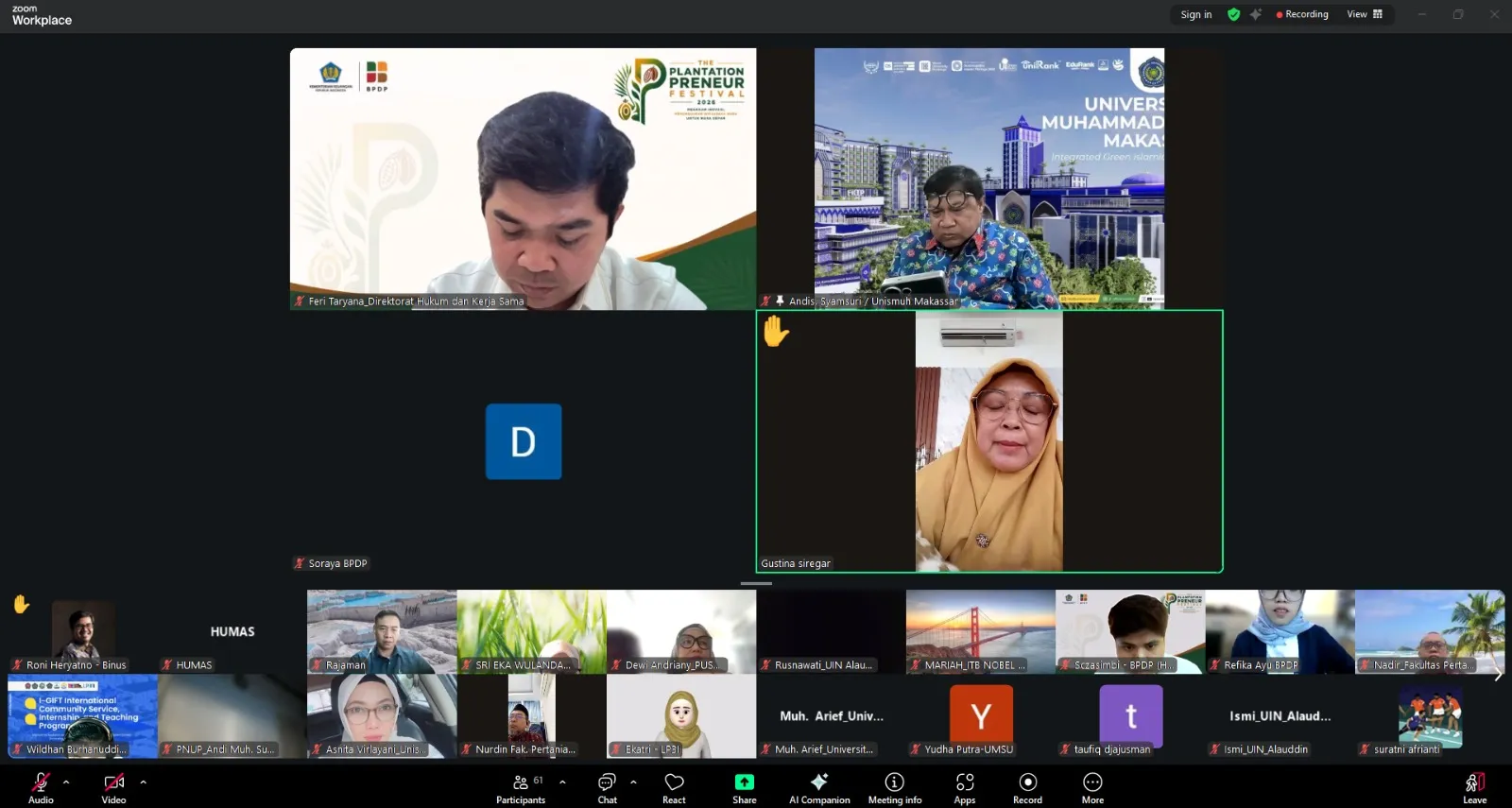
Unismuh Makassar Jajaki Kolaborasi BPDP Kembangkan Wirausaha Muda Perkebunan
13 Jul 2026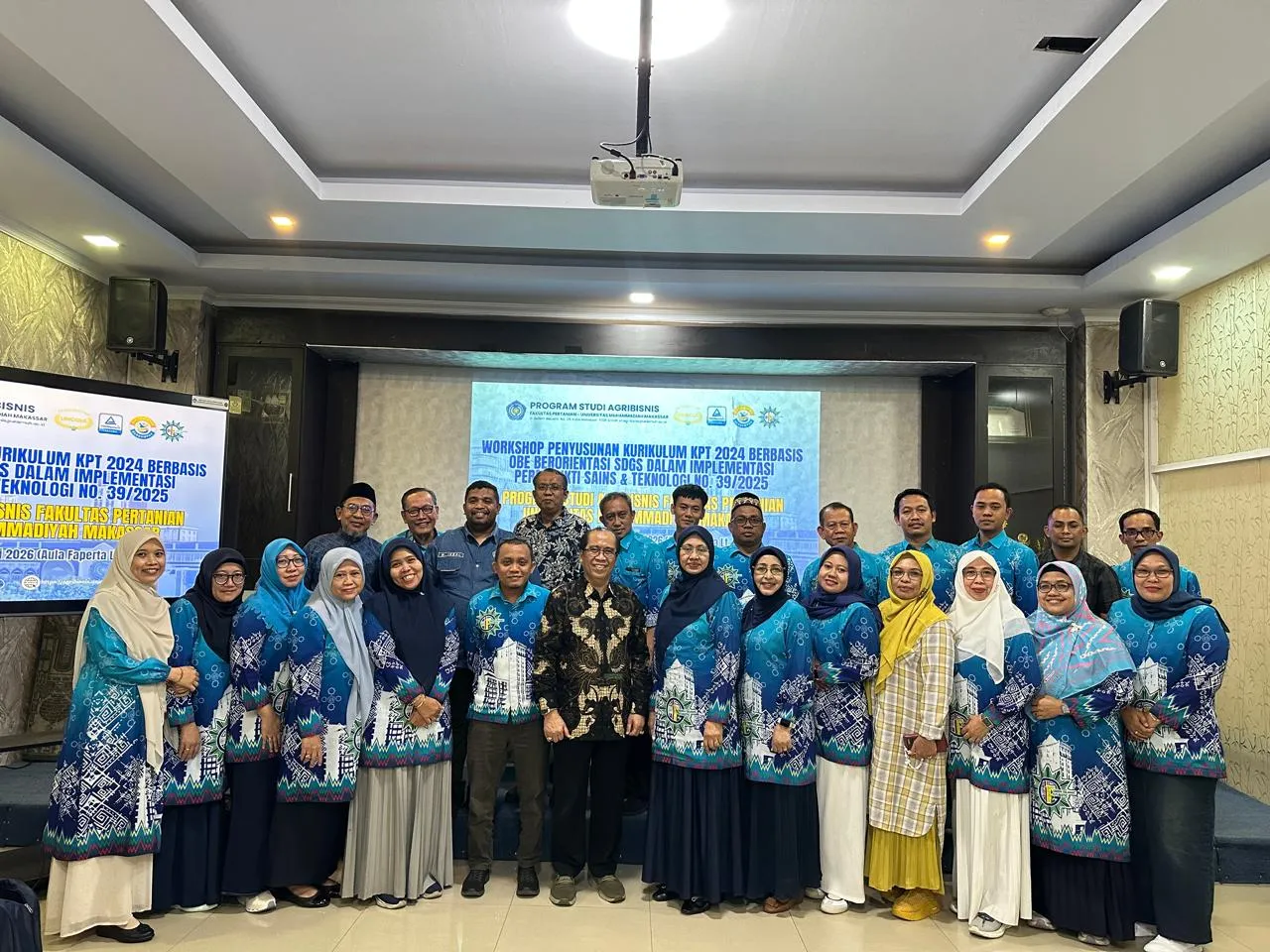
Prodi Agribisnis Unismuh Makassar Gelar Workshop Peninjauan Kurikulum Berbasis Outcome-Based Education
09 Jul 2026
Dosen Pertanian Unismuh Raih Doktor, Teliti Efisiensi Usahatani Kentang
30 Jun 2026